
Published biographies
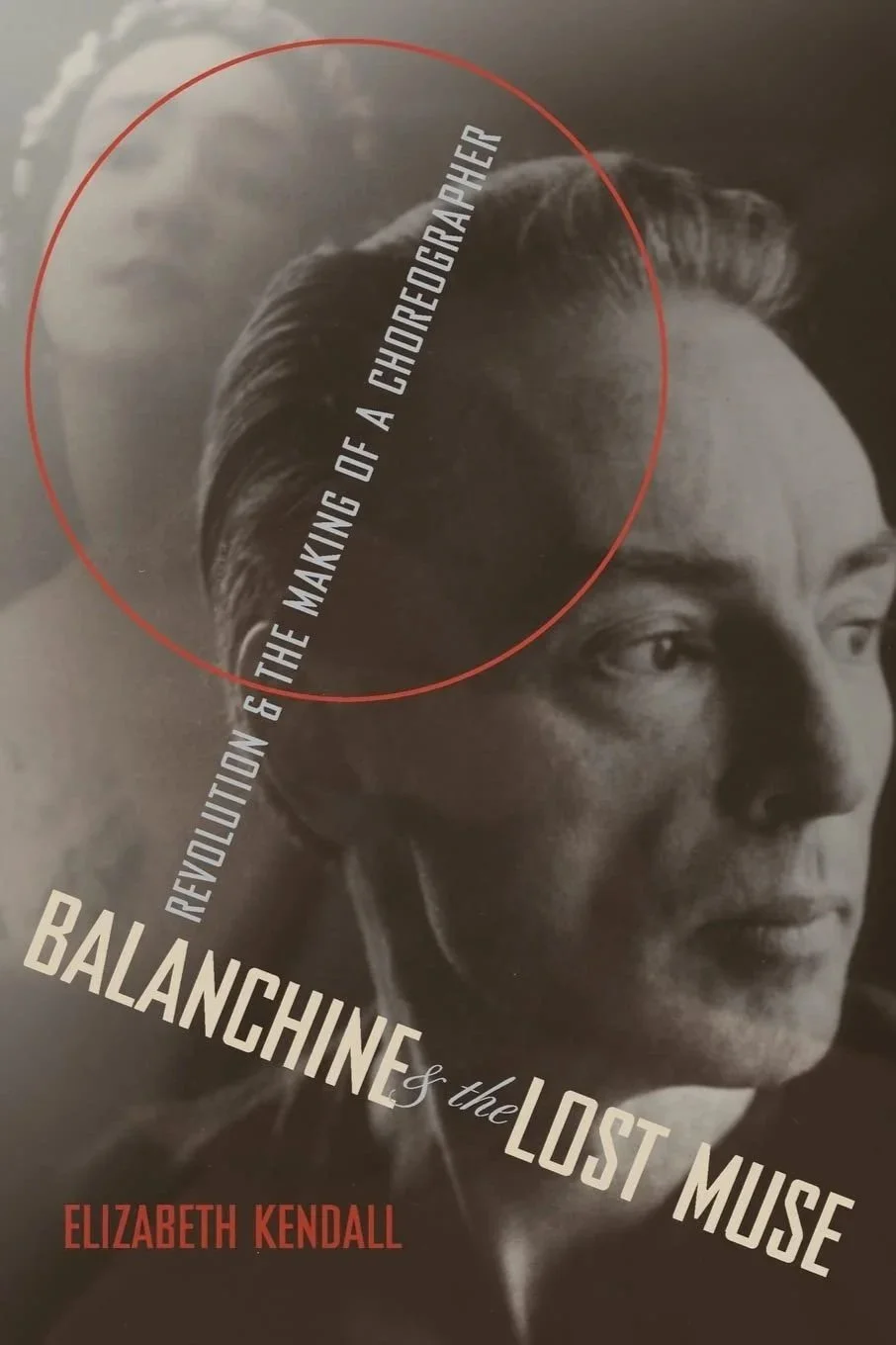
Elizabeth Kendall; Balanchine & the Lost Muse: Revolution & the Making of a Choreographer
Elizabeth Kendall is a 2011 – 2012 Fellow
Here is the first dual biography of the early lives of two key figures in Russian ballet: famed choreographer George Balanchine and his close childhood friend and extraordinary ballerina Liidia (Lidochka) Ivanova.
Tracing the lives and friendship of these two dancers from years just before the 1917 Russian Revolution to Balanchine's escape from Russia in 1924, Elizabeth Kendall's Balanchine & the Lost Muse sheds new light on a crucial flash point in the history of ballet. Drawing upon extensive archival research, Kendall weaves a fascinating tale about this decisive period in the life of the man who would become the most influential choreographer in modern ballet.

Molly Peacock; The Paper Garden: an Artist Begins her Work at 72 [biography of Mary Granville Delany (1700 – 1788)
Molly Peacock is a 2008 – 2009 Fellow
The Paper Garden is unlike anything else you have ever read. At once a biography of an extraordinary 18th century gentlewoman and a meditation on late-life creativity, it is a beautifully written tour de force from an acclaimed poet. Mary Granville Pendarves Delany (1700-1788) was the witty, beautiful and talented daughter of a minor branch of a powerful family. Married off at 16 to a 61-year-old drunken squire to improve the family fortunes, she was widowed by 25, and henceforth had a small stipend and a horror of a marriage. She spurned many suitors over the next twenty years, including the powerful Lord Baltimore and the charismatic radical John Wesley. She cultivated a wide circle of friends, including Handel and Jonathan Swift. And she painted, she stitched, she observed, as she swirled in the outskirts of the Georgian court. In mid-life she found love, and married. Upon her husband's death 23 years later, she arose from her grief, picked up a pair of scissors and, at the age of 72, created a new art form, mixed-media collage. Over the next decade, Mrs Delany created an astonishing 985 botanically correct, breathtaking cut-paper flowers, now housed in the British Museum and referred to as the Botanica Delanica.

Wendy Lesser; Music for Silenced Voices: Dmitri Shostakovich
Wendy Lesser is a 2009 – 2010 Fellow
Most previous books about Dmitri Shostakovich have focused on either his symphonies and operas, or his relationship to the regime under which he lived, or both, since these large-scale works were the ones that attracted the interest and sometimes the condemnation of the Soviet authorities. Music for Silenced Voices looks at Shostakovich through the back door, as it were, of his fifteen quartets, the works which his widow characterized as a "diary, the story of his soul." The silences and the voices were of many kinds, including the political silencing of adventurous writers, artists, and musicians during the Stalin era; the lost voices of Shostakovich's operas (a form he abandoned just before turning to string quartets); and the death-silenced voices of his close friends, to whom he dedicated many of these chamber works.

John Matteson; The Lives of Margaret Fuller
John Matteson is a 2009 – 2010 Fellow
A brilliant writer and a fiery social critic, Margaret Fuller (1810-1850) was perhaps the most famous American woman of her generation. Outspoken and quick-witted, idealistic and adventurous, she became the leading female figure in the transcendentalist movement, wrote a celebrated column of literary and social commentary for Horace Greeley's newspaper, and served as the first foreign correspondent for an American newspaper. While living in Europe she fell in love with an Italian nobleman, with whom she became pregnant out of wedlock. In 1848 she joined the fight for Italian independence and, the following year, reported on the struggle while nursing the wounded within range of enemy cannons. Amid all these strivings and achievements, she authored the first great work of American feminism: Woman in the Nineteenth Century. Despite her brilliance, however, Fuller suffered from self-doubt and was plagued by ill health. John Matteson captures Fuller's longing to become ever better, reflected by the changing lives she led.