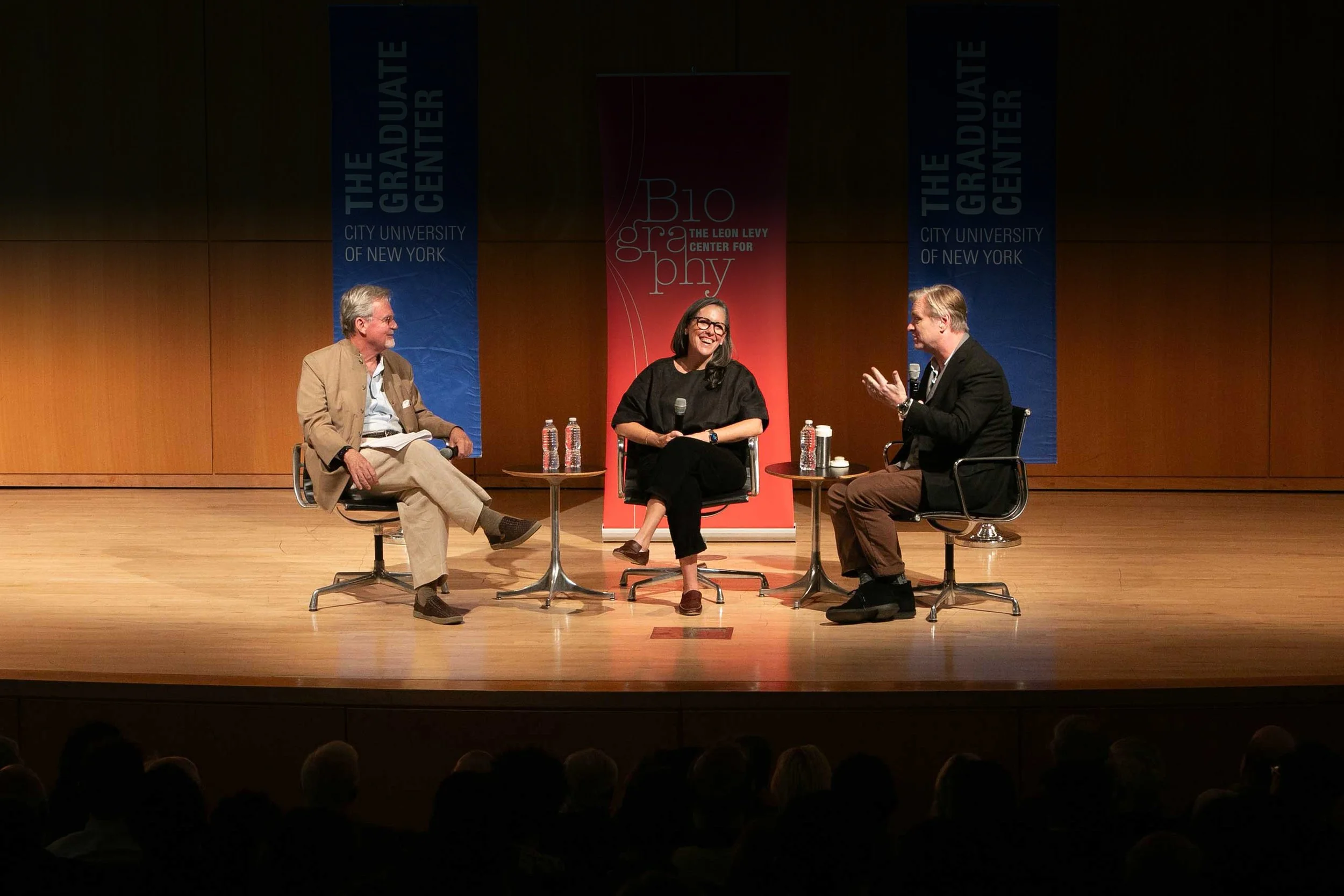
Executive Director Kai Bird (the biography ‘American Prometheus’), producer Emma Thomas and director Christopher Nolan (the film ‘Oppenheimer’) discussing biography and film.
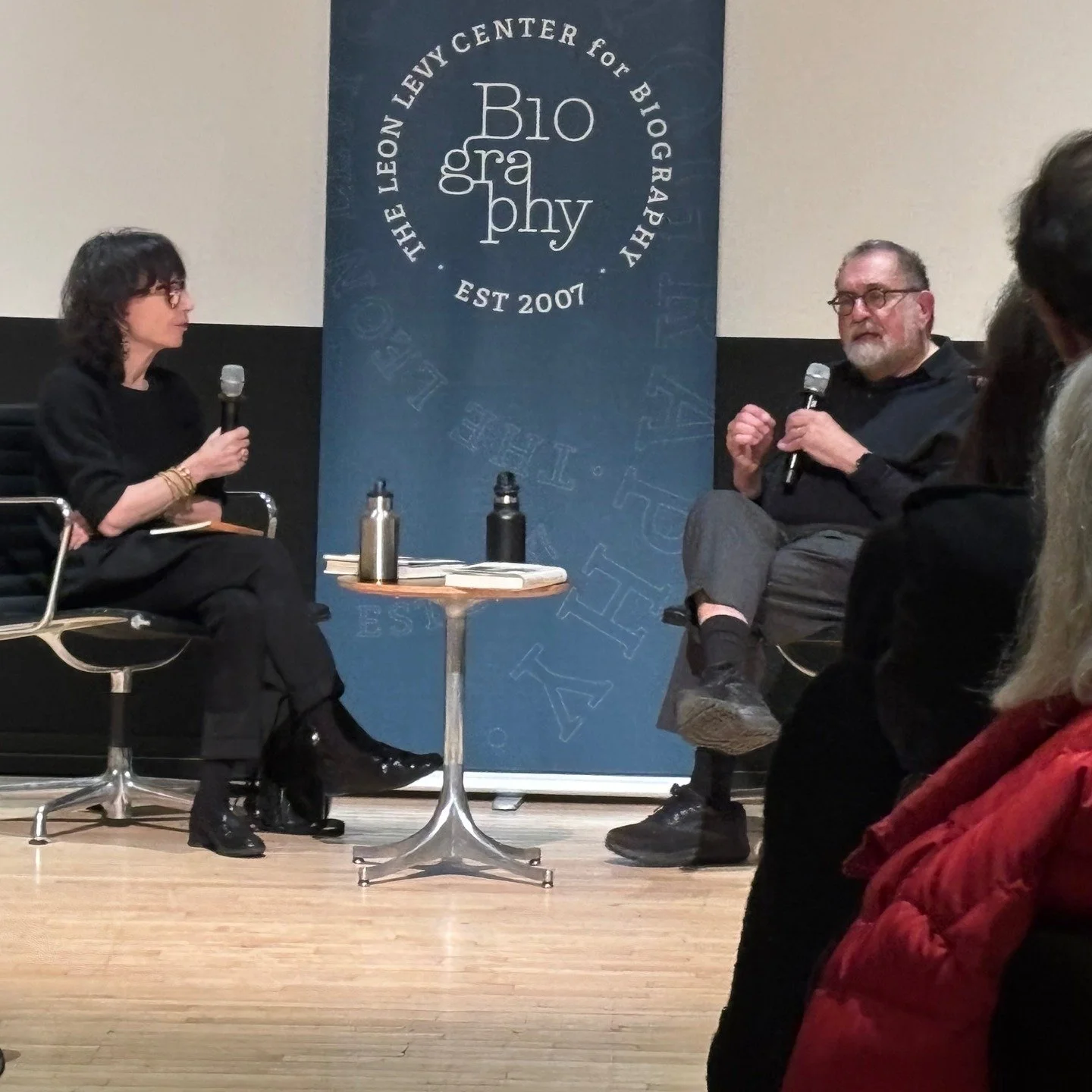
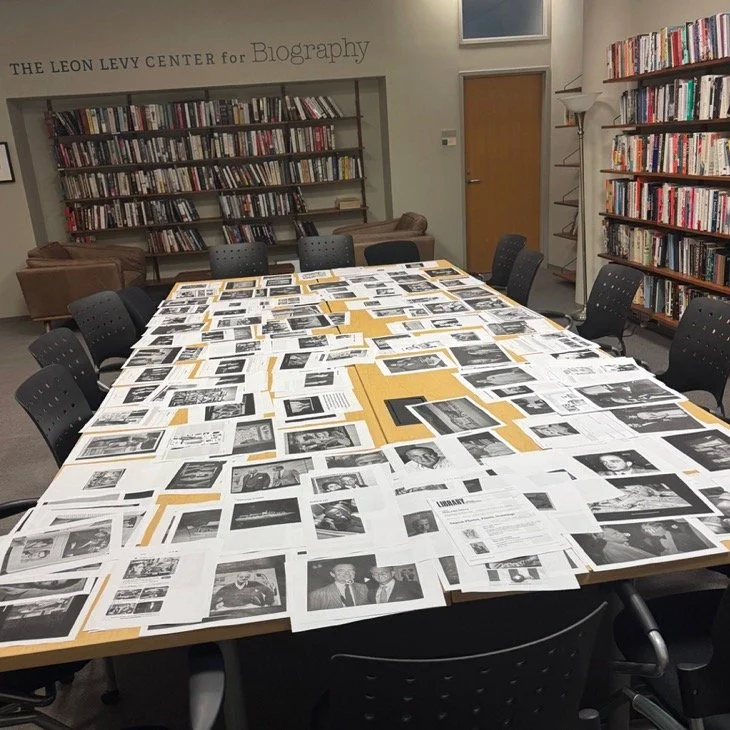
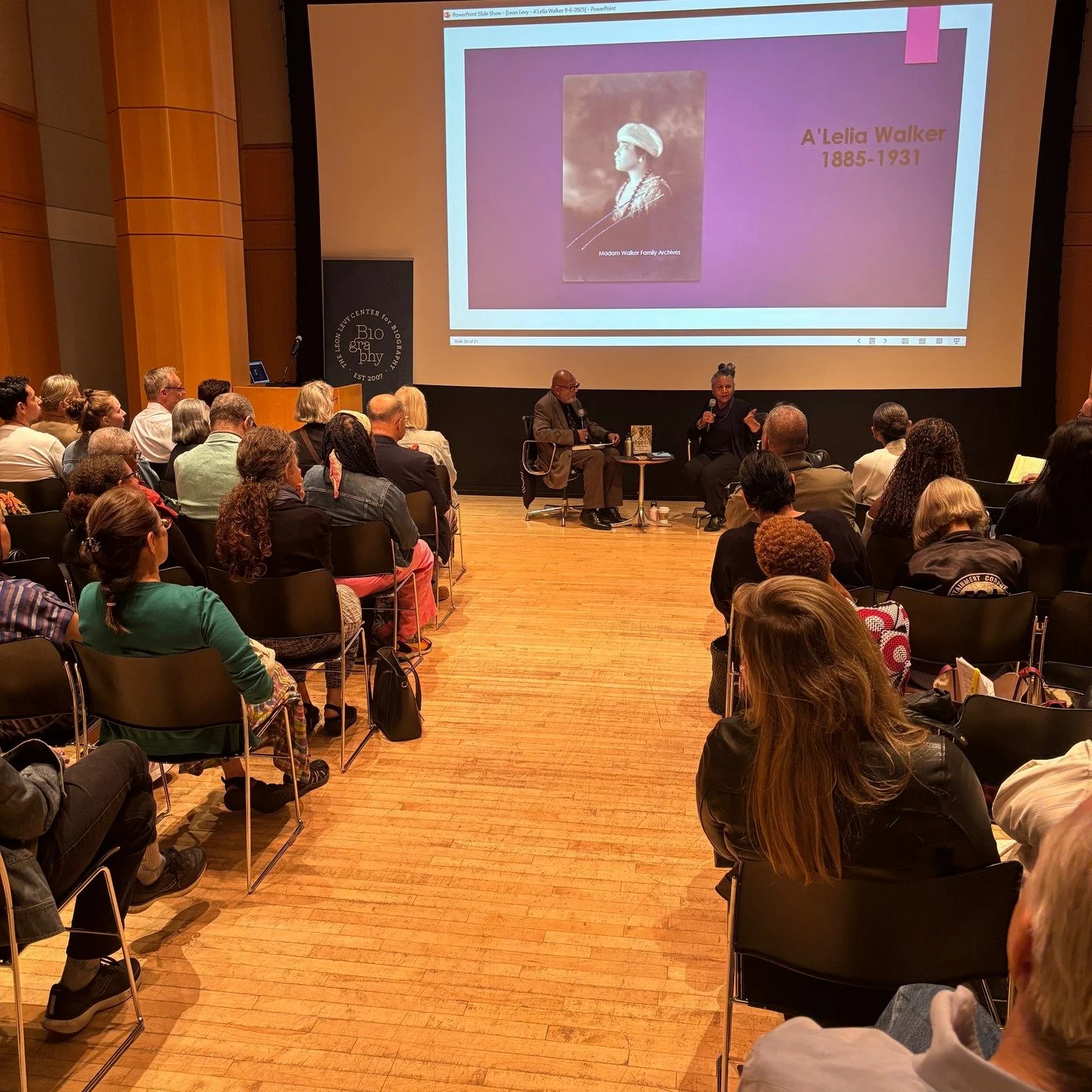
Founded in 2007 with a gift from the Leon Levy Foundation, the Leon Levy Center for Biography at the CUNY Graduate Center fosters connections among biographers and promotes dialogue about the art and craft of biography across disciplines and generations.

Kai Bird, the Director of the Leon Levy Center for Biography, announced today the award of five resident fellowships at the Graduate Center, including a Leon Levy/Alfred P. Sloan fellow for a biography on a figure from science. Mr. Bird, a Pulitzer Prize-winning biographer, is the author most recently of American Scoundrel: Roy Cohn's Dark Journey from Joe McCarthy to Donald Trump, forthcoming in September. Oppenheimer, the global blockbuster motion picture inspired by his biography of Robert Oppenheimer, American Prometheus, won seven Academy Awards, including the Best Picture. The Leon Levy Center for Biography is hosted by the Graduate Center at the City University of New York—and generously funded by the Leon Levy Foundation. Each resident fellow receives a $72,000 grant, research assistance, a private office and full access to research facilities.
The Leon Levy Center for Biography is pleased to inaugurate the David Levering Lewis Biography Fellowship on the African Diaspora
The Lewis Fellowship is funded by a $1,000,000 gift from Professor Lewis, matched by another million from the Leon Levy Foundation.
Meet our Fellows
Each year, Kai Bird, Executive Director of the Leon Levy Center for Biography, announces the resident fellowships at the CUNY Graduate Center: the Leon Levy/Alfred P. Sloan Fellow (for a biography of a science figure) and the Dissertation Fellow. Each resident fellow receives a $72,000 grant, research assistance, private writing space, and full access to research facilities.
Check out published biographies by our Fellows
Miriam Horn is a 2021 – 2022 Fellow
In this riveting portrait of George B. Schaller, the world’s leading field biologist, Miriam Horn captures the seventy years he spent living among wild animals in the world’s remotest regions, forever altering how we see – and save – the natural world.
Francesca Wade is a 2021 – 2022 Fellow
Drawing on never-before-seen interviews, a richly researched, sweeping examination of one of the most influential and mythologized literary figures of the 20th century and her partner’s emergence from the shadows after her death, in the decades-long fight to ensure her legacy.
Nicholas Boggs is a 2021 – 2022 Fellow
Baldwin: A Love Story, the first major biography of James Baldwin in three decades, reveals how profoundly the writer’s personal relationships shaped his life and work. Drawing on newly uncovered archival material and original research and interviews, this spellbinding book tells the overlapping stories of Baldwin’s most sustaining intimate and artistic relationships: with his mentor, the Black American painter Beauford Delaney; with his lover and muse, the Swiss painter Lucien Happersberger; and with his collaborators, the famed Turkish actor Engin Cezzar and the iconoclastic French artist Yoran Cazac, whose long-overlooked significance as Baldwin’s last great love is explored in these pages for the first time.
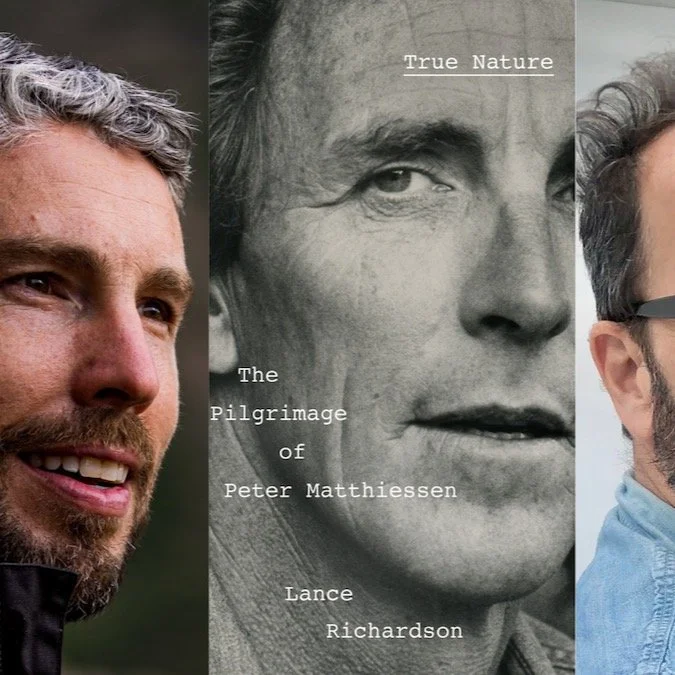
Lance Richardson is a 2021 – 2022 Fellow
Peter Matthiessen (1927 – 2014), a towering figure of twentieth-century American letters, achieved so much during his lifetime, in so many different areas, that people have struggled to pin him down. While ambivalent about his WASP privilege—as a teenager he demanded that his name be removed from the New York Social Register—he attended Yale and cut his teeth in postwar Paris, co-founding The Paris Review as he worked undercover for the CIA. But then, after a rebellious stint as a Long Island fisherman, he escaped into a series of wild expeditions.
Cynthia Carr is a 2016 – 2017 Fellow
Warhol superstar and transgender icon Candy Darling was glamour personified, but she was without a real place in the world.
Growing up on Long Island, lonely and quiet and queer, she was enchanted by Hollywood starlets like Kim Novak. She found her turn in New York’s early Off-Off-Broadway theater scene, in Warhol’s films Flesh and Women in Revolt, and at the famed nightclub Max's Kansas City. She inspired songs by Lou Reed and the Rolling Stones. She became friends with Jane Fonda and Lily Tomlin, borrowed a dress from Lauren Hutton, posed for Richard Avedon, and performed alongside Tennessee Williams in his own play.
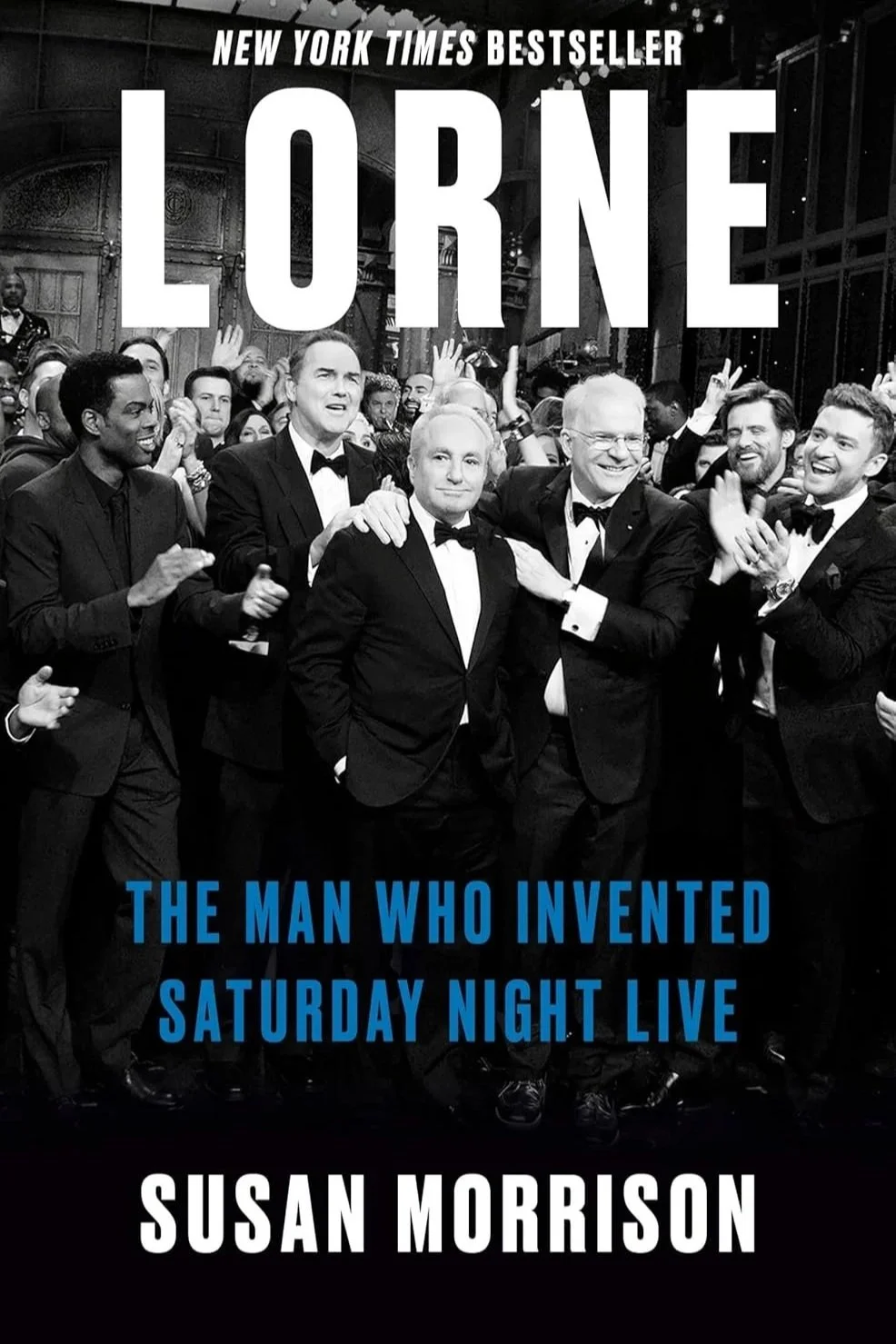
Susan Morrison is a 2020 – 2021 Fellow
Over the fifty years that Lorne Michaels has been at the helm of Saturday Night Live, he has become a revered and inimitable presence in the entertainment world. He’s a tastemaker, a mogul, a withholding father figure, a genius spotter of talent, a shrewd businessman, a name-dropper, a raconteur, the inspiration for Dr. Evil, the winner of more than a hundred Emmys – and, essentially, a mystery.
Rachel Swarns is a 2021 – 2022 Fellow
In 1838, a group of America’s most prominent Catholic priests sold 272 enslaved people to save their largest mission project, what is now Georgetown University. In this groundbreaking account, journalist, author, and professor Rachel L. Swarns follows one family through nearly two centuries of indentured servitude and enslavement to uncover the harrowing origin story of the Catholic Church in the United States. Through the saga of the Mahoney family, Swarns illustrates how the Church relied on slave labor and slave sales to sustain its operations and to help finance its expansion.
David Greenberg is a 2019 – 2020 Fellow
Born into poverty in rural Alabama, John Lewis rose to prominence in the civil rights movement, becoming second only to Martin Luther King, Jr. in his contributions. As a Freedom Rider, he played a crucial role in integrating bus stations across the South. Lewis was a prominent leader in the Nashville sit-in movement and delivered a historic speech at the 1963 March on Washington.
Patchen Barss is a 2021 – 2022 Fellow
When he was six years old, Roger Penrose discovered a sundial in a clearing near his house. Through that machine made of light, shadow, and time, Roger glimpsed a “world behind the world” of transcendently beautiful geometry. It spurred him on a journey to become one of the world’s most influential mathematicians, philosophers, and physicists.
Adam Shatz is a 2021 – 2022 Fellow
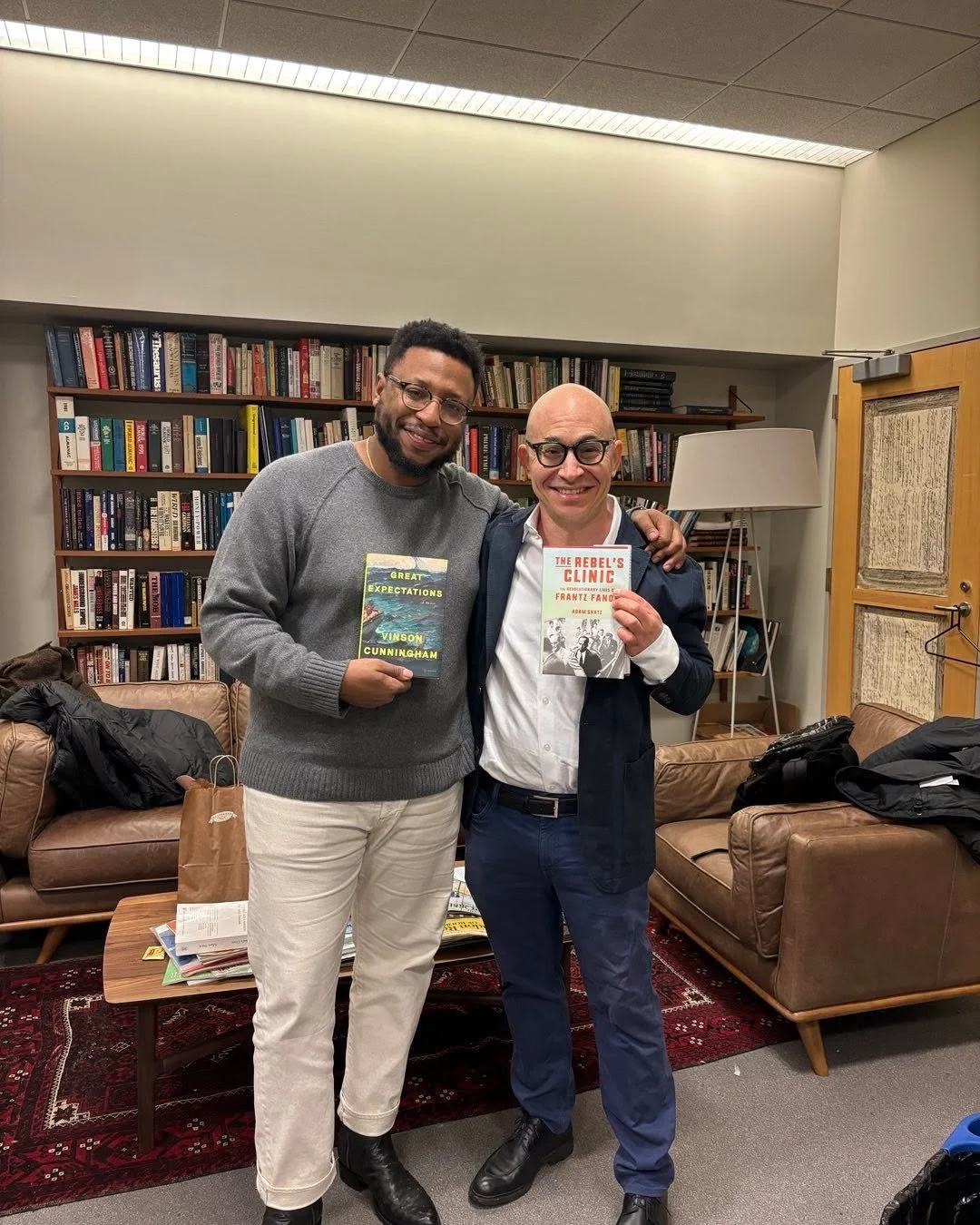
In the era of Black Lives Matter, Frantz Fanon’s shadow looms larger than ever. He was the intellectual activist of the postcolonial era, and his writings about race, revolution, and the psychology of power continue to shape radical movements across the world. In this searching biography, Adam Shatz tells the story of Fanon’s stunning journey, which has all the twists of a Cold War–era thriller.
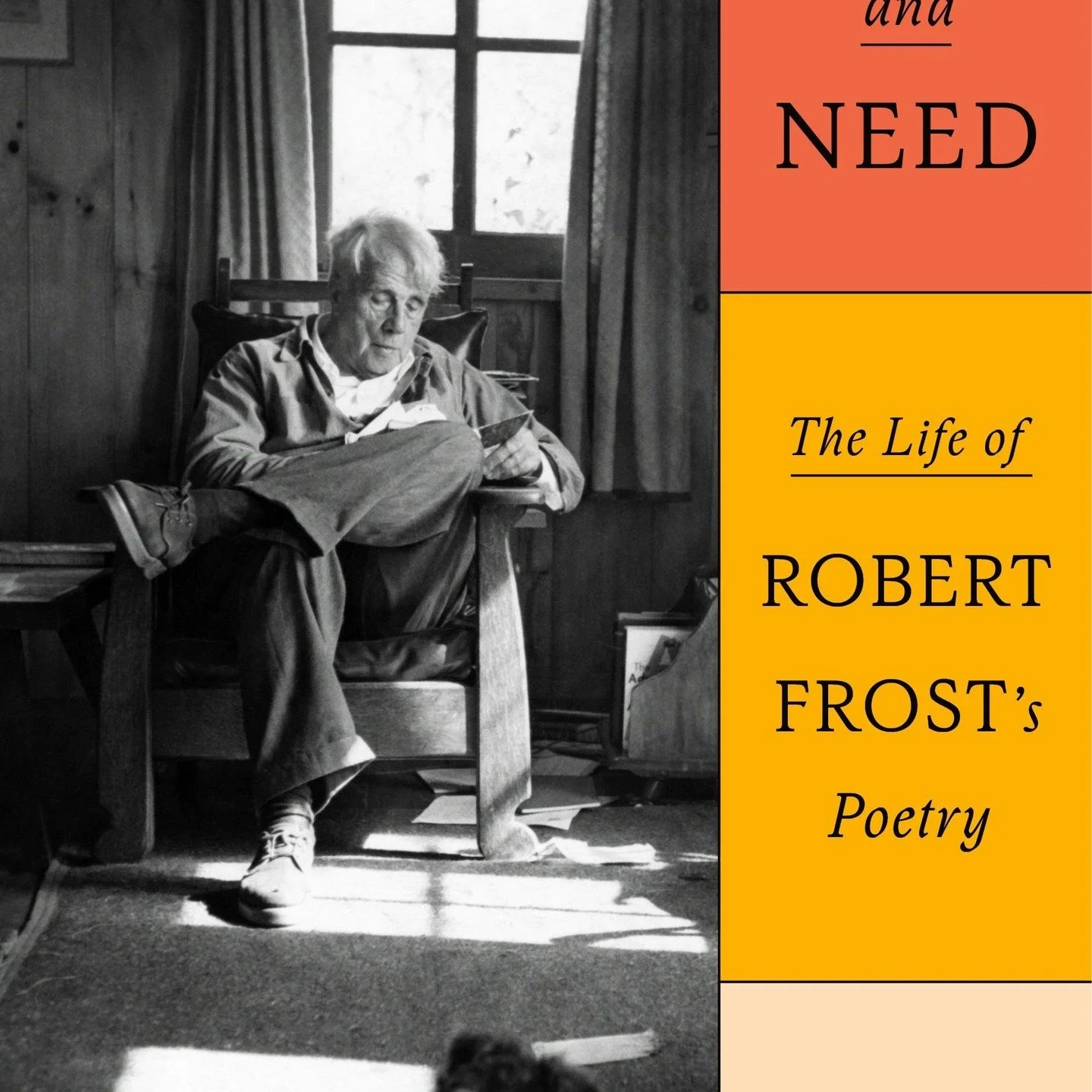
Adam Plunkett is a 2016 – 2017 Fellow
By the middle of the twentieth century, Robert Frost was the best-loved poet in America. He was our nation’s bard, simple and sincere, accompanying us on wooded roads and articulating our hopes and fears. After Frost’s death, these clichés gave way to equally broad (though opposed) portraits sketched by his biographers, chief among them Lawrance Thompson.
Dan Nadel is a 2021 – 2022 Fellow
Robert Crumb is often credited with single-handedly transforming the comics medium into a place for adult expression, in the process pioneering the underground comic book industry, and transforming the vernacular language of 20th-century America into an instantly recognizable and popular aesthetic.
Claire Hoffman is a 2023 – 2024 Fellow
On a spring day in 1926, Aimee Semple McPherson wandered into the Pacific Ocean and vanished. Weeks later she reappeared in the desert, claiming to have been kidnapped. A national media frenzy and months of investigation ensued. Who was this woman?
Siobhan Roberts is a 2012 – 2013 Fellow
A mathematician unlike any other, John Horton Conway (1937–2020) possessed a rock star’s charisma, a polymath’s promiscuous curiosity, and a sly sense of humor. Conway found fame as a barefoot professor at Cambridge, where he discovered the Conway groups in mathematical symmetry and the aptly named surreal numbers. He also invented the cult classic Game of Life, a cellular automaton that demonstrates how simplicity generates complexity—and provides an analogy for mathematics and the entire universe.
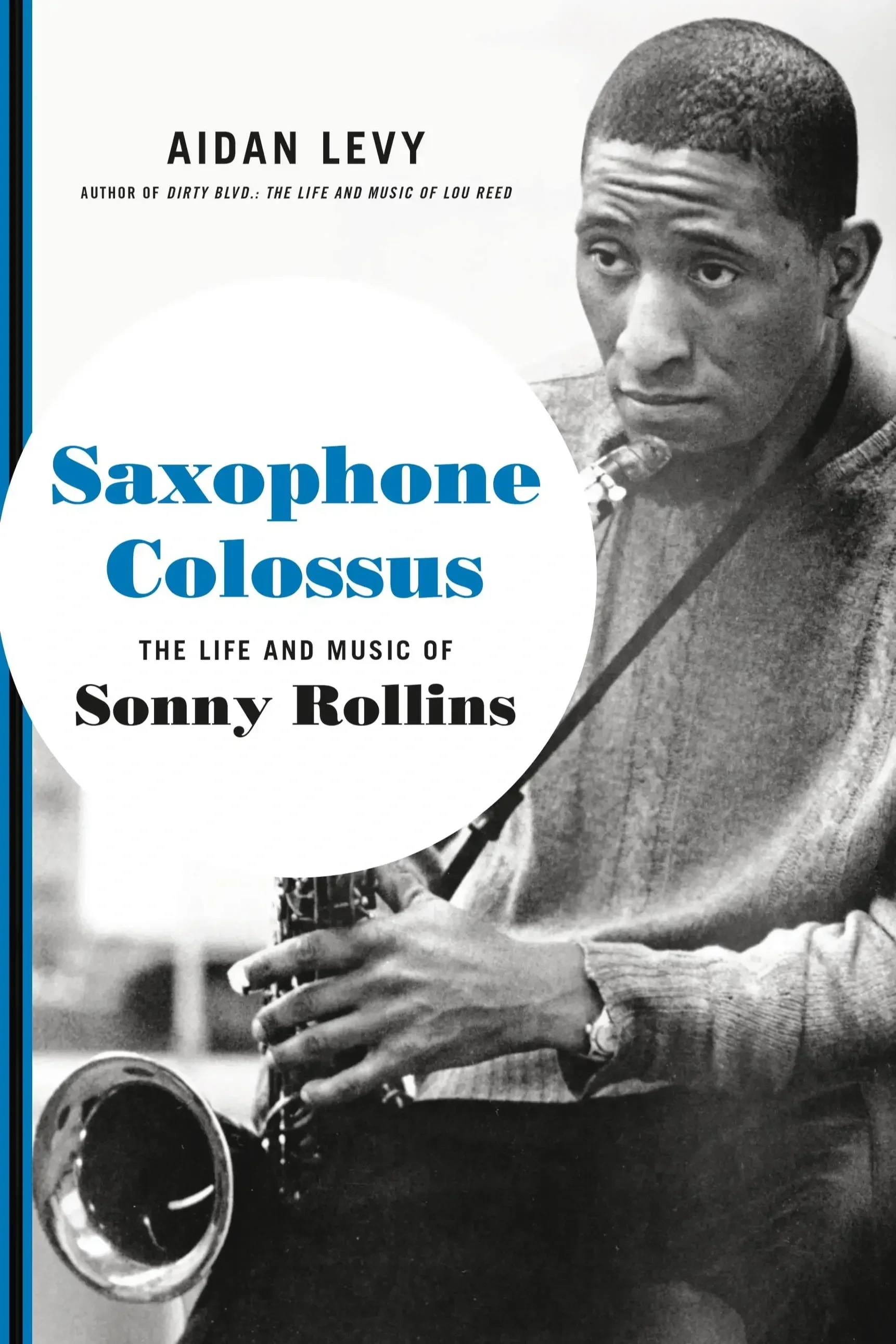
Aidan Levy is a 2016 – 2017 Fellow
Sonny Rollins has long been considered an enigma. Known as the “Saxophone Colossus,” he is widely acknowledged as one of the greatest jazz improvisers of all time, winning Grammys, the Austrian Cross of Honor, Sweden’s Polar Music Prize and a National Medal of Arts. A bridge from bebop to the avant-garde, he is a lasting link to the golden age of jazz, pictured in the iconic “Great Day in Harlem” portrait. His seven-decade career has been well documented, but the backstage life of the man once called “the only jazz recluse” has gone largely untold – until now.
D.T. Max is a 2011 – 2012 Fellow
In 2017, New Yorker staff writer D.T. Max began working on a major profile of Stephen Sondheim that would be timed to the eventual premiere of a new musical Sondheim was writing. Sadly , that process – and the years of conversation – was cut short by Sondheim’s own hesitations, then the global pandemic, and finally by the great artist’s death in November 2021.
Andrew Meie is a 2013 – 2014 Fellow
After coming to America from Germany in 1866, the Morgenthaus made history in international diplomacy, in domestic politics, and in America’s criminal justice system. With unprecedented, exclusive access to family archives, award-winning journalist and biographer Andrew Meier vividly chronicles how the Morgenthaus amassed a fortune in Manhattan real estate, advised presidents, advanced the New Deal, exposed the Armenian genocide, rescued victims of the Holocaust, waged war in the Mediterranean and Pacific, and, from a foundation of private wealth, built a dynasty of public service.
Susan Bernofsky is a 2012 – 2013 Fellow
Finalist for the National Book Critics Circle Award in Biography
The great Swiss-German modernist author Robert Walser lived eccentrically on the fringes of European society—his pronounced interest in everything inconspicuous and modest prompted W. G. Sebald to dub him “a clairvoyant of the small.” His revolutionary use of short prose forms won him the admiration of Franz Kafka, Walter Benjamin, Robert Musil, and many others. In this immaculately researched and beautifully written biography Susan Bernofsky sets Walser in the context of early twentieth century European history, establishing him as one of the most important modernist writers.
Rebecca Donner is a 2018 – 2019 Fellow
Born and raised in Milwaukee, Mildred Harnack was twenty-six when she enrolled in a PhD program in Germany and witnessed the meteoric rise of the Nazi party. In 1932, she began holding secret meetings in her apartment -- a small band of political activists that by 1940 had grown into the largest underground resistance group in Berlin. She recruited working-class Germans into the resistance, helped Jews escape, plotted acts of sabotage, and collaborated in writing leaflets that denounced Hitler's regime and called for revolution.
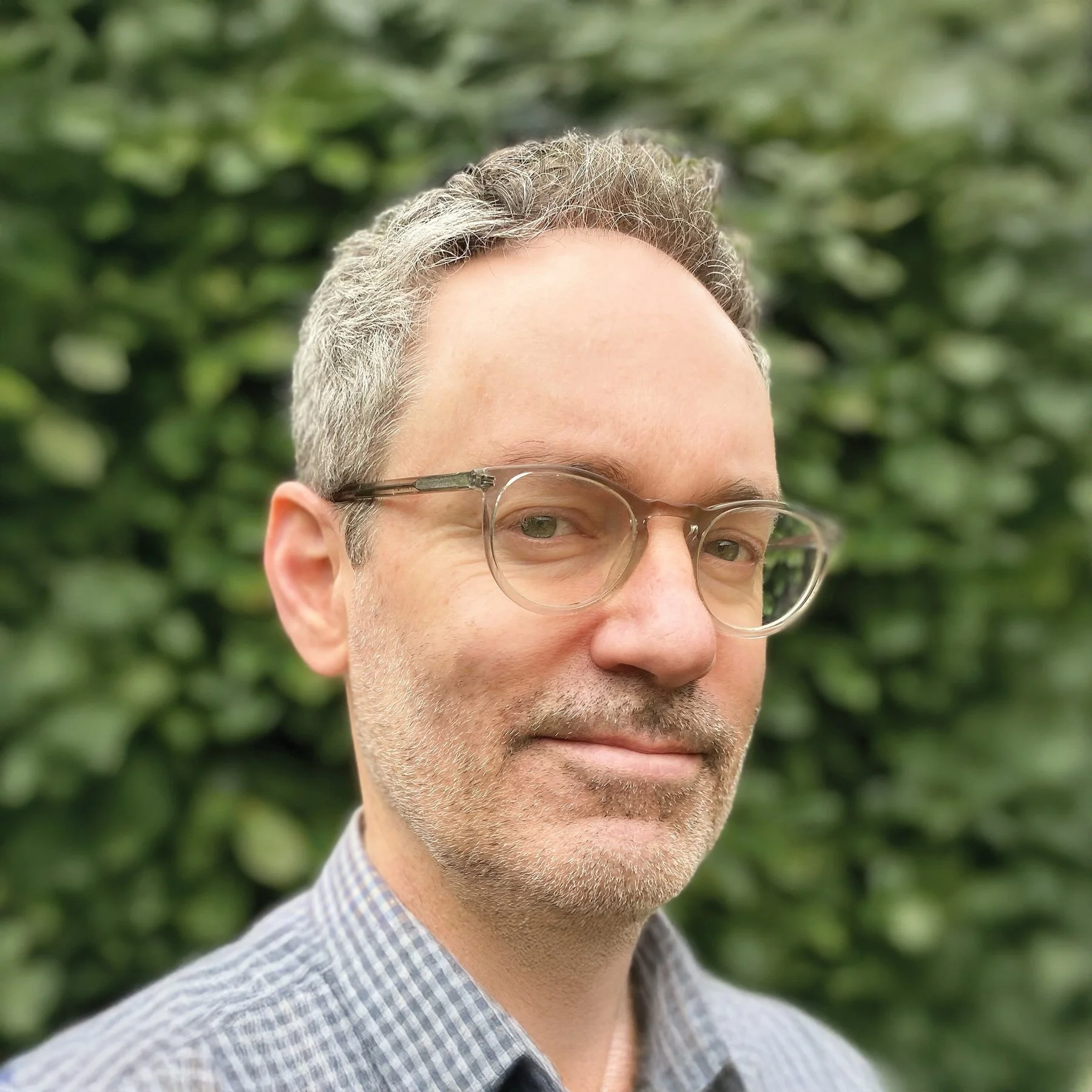
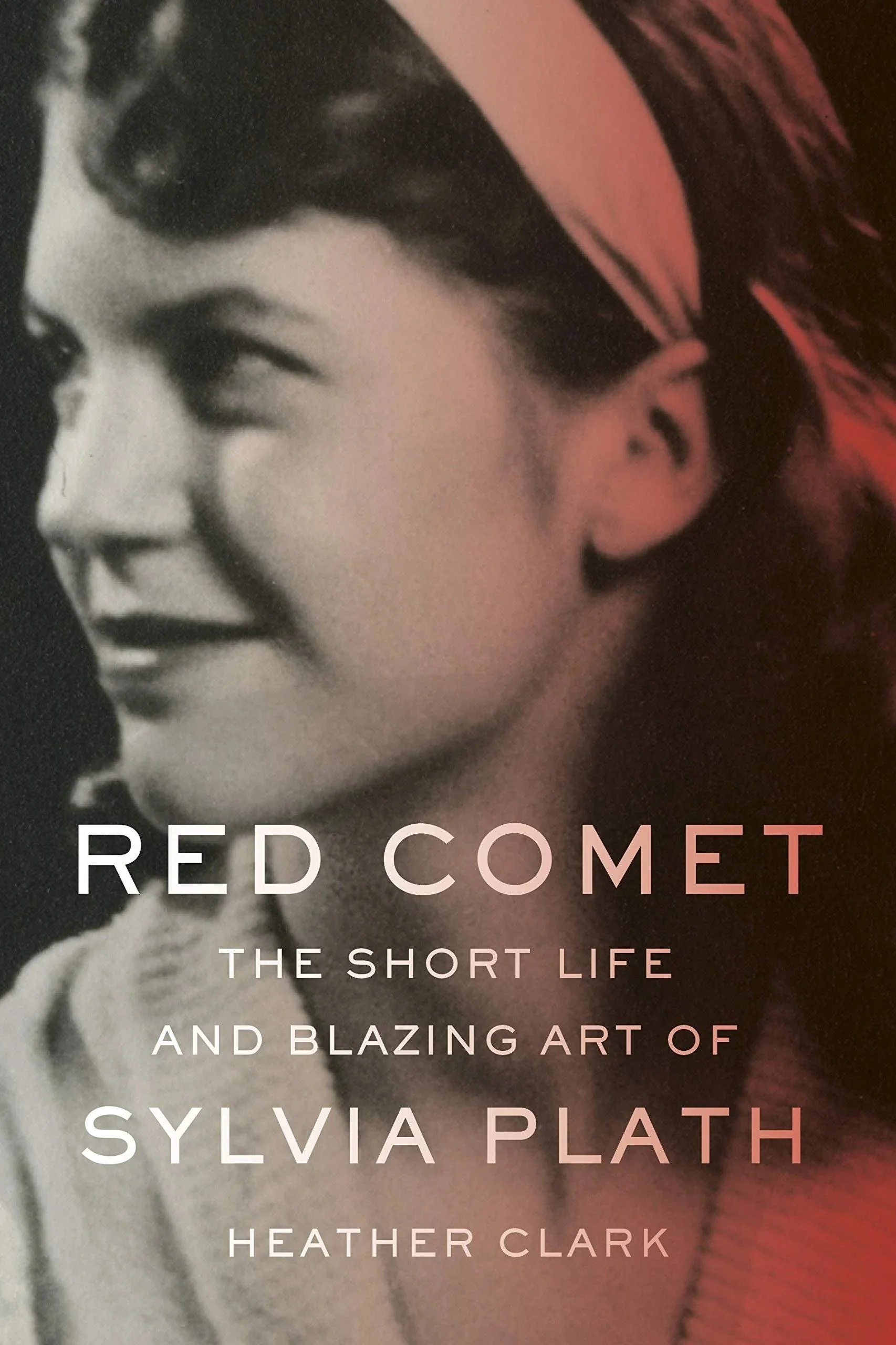
Heather Clark is a 2016 – 2017 Fellow
With a wealth of never-before-accessed materials, Heather Clark brings to life the brilliant Sylvia Plath, who had precocious poetic ambition and was an accomplished published writer even before she became a star at Smith College. Refusing to read Plath’s work as if her every act was a harbinger of her tragic fate, Clark considers the sociopolitical context as she thoroughly explores Plath’s world.
Justin Gifford is a 2017 – 2018 Fellow
Charismatic, brilliant, and courageous, Eldridge Cleaver built a base of power and influence that struck fear deep in the heart of White America. It was therefore shocking to many left-wing radicals when Cleaver turned his back on Black revolution, the Nation of Islam, and communism in 1975.
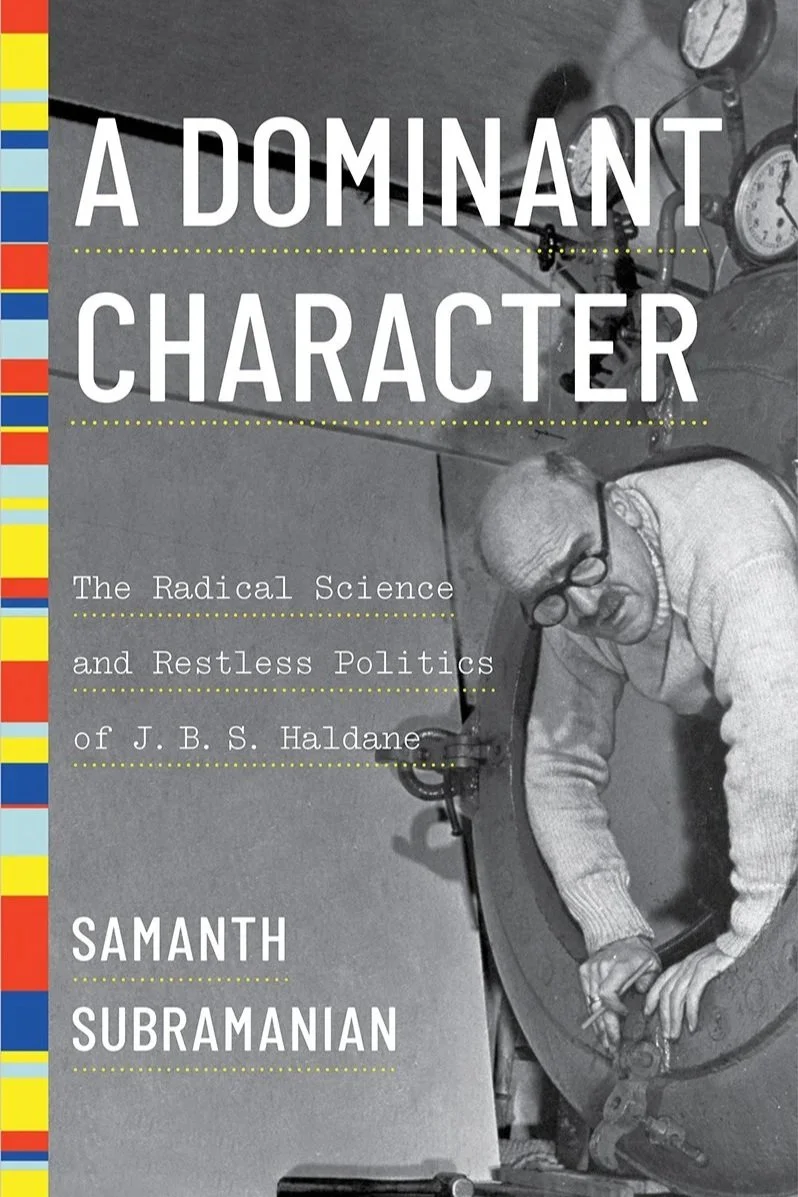
Samanth Subramanian is a 2018 – 2019 Fellow
J. B. S. Haldane’s life was rich and strange, never short on genius or drama―from his boyhood apprenticeship to his scientist father, who first instilled in him a devotion to the scientific method; to his time in the trenches during the First World War, where he wrote his first scientific paper; to his numerous experiments on himself, including inhaling dangerous levels of carbon dioxide and drinking hydrochloric acid; to his clandestine research for the British Admiralty during the Second World War.
Blake Gopnik is a 2015 – 2016 Fellow
In Warhol, esteemed art critic Blake Gopnik takes on Andy Warhol in all his depth and dimensions. “The meanings of his art depend on the way he lived and who he was,” as Gopnik writes. “That’s why the details of his biography matter more than for almost any cultural figure,” from his working-class Pittsburgh upbringing as the child of immigrants to his early career in commercial art to his total immersion in the “performance” of being an artist, accompanied by global fame and stardom—and his attempted assassination.
Stephen Heyman is a 2018 – 2019 Fellow
Louis Bromfield was a World War I ambulance driver, a Paris expat, and a Pulitzer Prize-winning novelist as famous in the 1920s as Hemingway or Fitzgerald. But he cashed in his literary success to finance a wild agrarian dream in his native Ohio. The ideas he planted at his utopian experimental farm, Malabar, would inspire America's first generation of organic farmers and popularize the tenets of environmentalism years before Rachel Carson's Silent Spring.
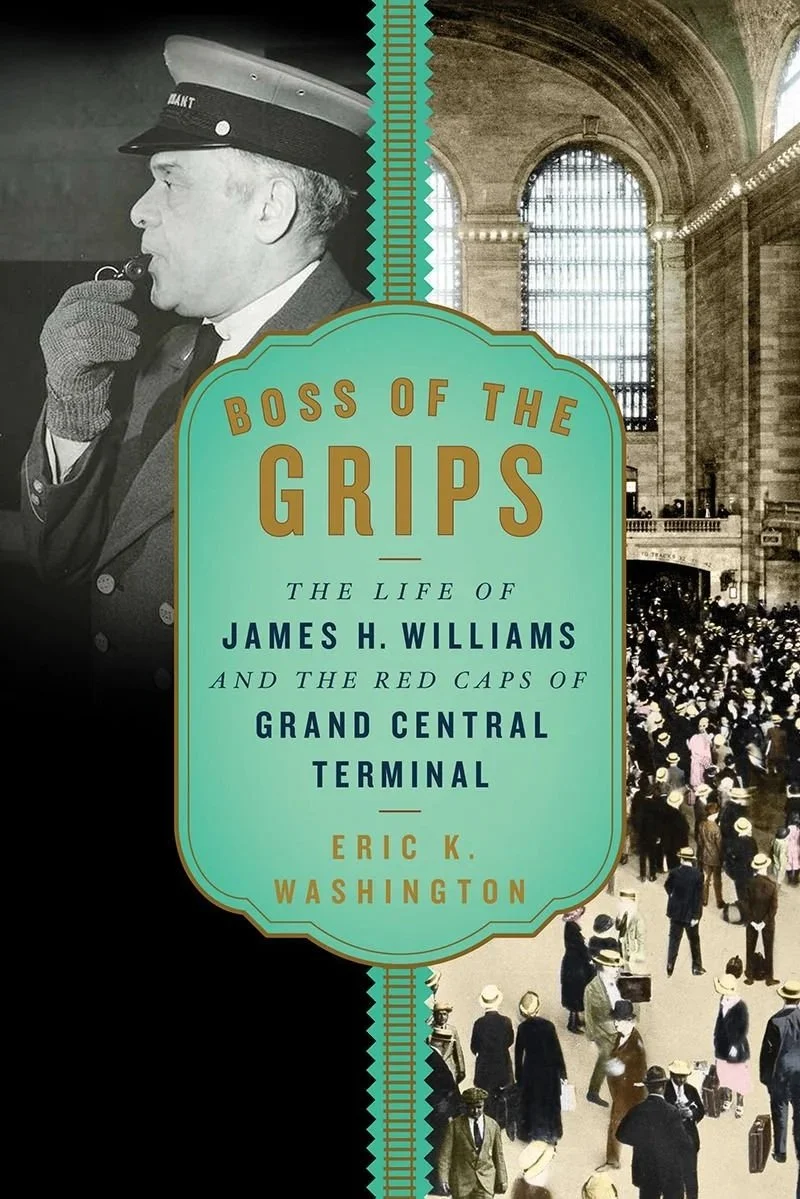
Eric Washington is a 2015 – 2016 Fellow
In a feat of remarkable research and timely reclamation, Eric K. Washington uncovers the nearly forgotten life of James H. Williams (1878–1948), the chief porter of Grand Central Terminal’s Red Caps―a multitude of Harlem-based black men whom he organized into the essential labor force of America’s most august railroad station. Washington reveals that despite the highly racialized and often exploitative nature of the work, the Red Cap was a highly coveted job for college-bound black men determined to join New York’s bourgeoning middle class.
Eleanor Randolph is a 2017 – 2018 Fellow
Randolph’s account of Bloomberg’s life and time reads almost like a novel, a quintessentially American story. She explains the “machine” he invented that gave and continues to give instant access to an infinite amount of information to bankers and investors on how, what, and where to invest, and how it changed the financial universe.
Eleanor Randolph is a 2017 – 2018 Fellow
Randolph’s account of Bloomberg’s life and time reads almost like a novel, a quintessentially American story. She explains the “machine” he invented that gave and continues to give instant access to an infinite amount of information to bankers and investors on how, what, and where to invest, and how it changed the financial universe.
Peter Filkins is a 2014 – 2015 Fellow
The biography of H.G. Adler (1910-88) is the story of a survivor of Theresienstadt, Auschwitz, and two other concentration camps who not only lived through the greatest cataclysm of the 20th century, but someone who also devoted his literary and scholarly career to telling the story of those who perished in over two dozen books of fiction, poetry, history, sociology, and religion. And yet for much of his life he remained almost entirely unknown.
Jennifer Homans is a 2018 – 2019 Fellow
Arguably the greatest choreographer who ever lived, George Balanchine was one of the cultural titans of the twentieth century—The New York Times called him “the Shakespeare of dancing.” His radical approach to choreography—and life—reinvented the art of ballet and made him a legend. Written with enormous style and artistry, and based on more than one hundred interviews and research in archives across Russia, Europe, and the Americas, Mr. B carries us through Balanchine’s tumultuous and high-pitched life story and into the making of his extraordinary dances.
James Davis is a 2008 – 2009 Fellow
Eric Walrond (1898–1966) was a writer, journalist, caustic critic, and fixture of 1920s Harlem. His short story collection, Tropic Death, was one of the first efforts by a black author to depict Caribbean lives and voices in American fiction. Restoring Walrond to his proper place as a luminary of the Harlem Renaissance, this biography situates Tropic Death within the author's broader corpus and positions the work as a catalyst and driving force behind the New Negro literary movement in America.
Ready to apply for a fellowship?
Have questions for us?
Check out our FAQ for answers to common questions, or contact us.
Keep up with us on Instagram
M.A. program in Biography and Memoir
The M.A. program in Biography and Memoir recognizes and embraces the divide between the scholarly and the popular, exploring the imaginative art of creative non-fiction.
Subscrible to our mailing list
Stay on top of all our events, announcements and important application deadlines.
We respect your privacy and will never spam your inbox.